Padel Club Mezzanine: The New Profit Center of Racquet Clubs
A padel club mezzanine is no longer just an extra viewing deck. It is becoming one of the most valuable commercial spaces in a modern racquet club—turning court time into longer visits, higher spending, stronger member loyalty, and more diversified revenue.
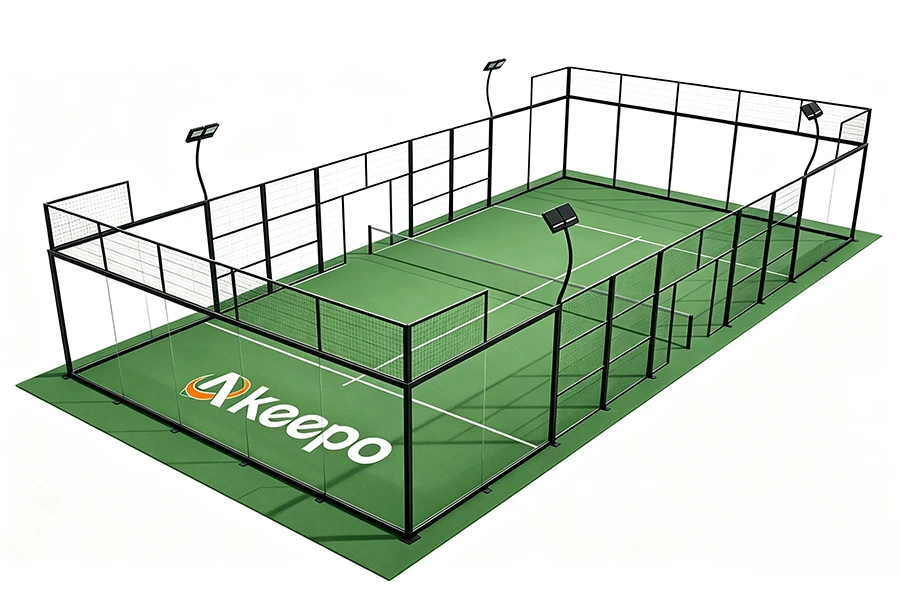
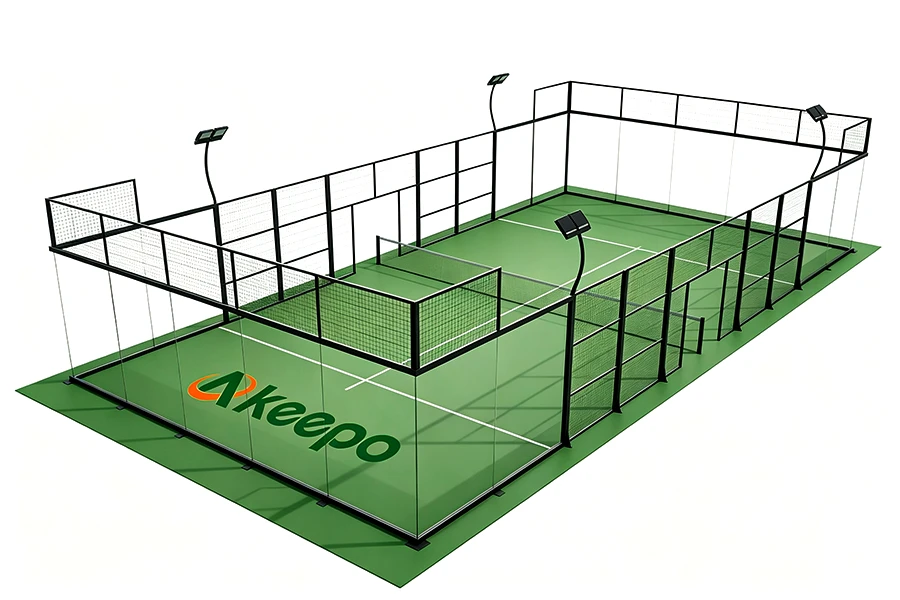
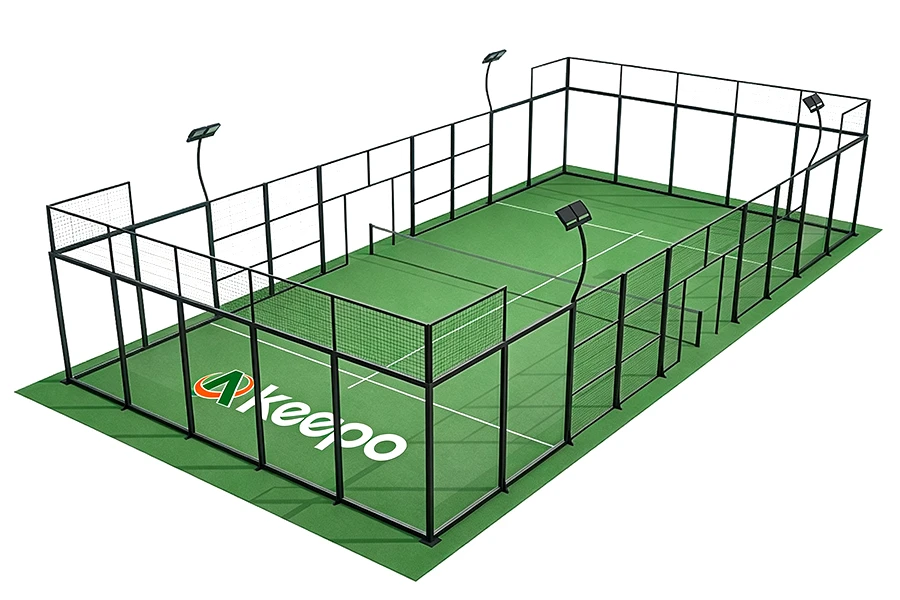
For investors and operators planning a custom padel court, a padel court turnkey project, or a hotel padel court, the mezzanine should be designed at the same stage as court layout, lighting, fencing, and artificial turf. Akeepo provides complete padel tennis court solutions that can integrate elevated viewing areas, lounges, hospitality zones, and multi-level club spaces.
Why the Mezzanine Matters
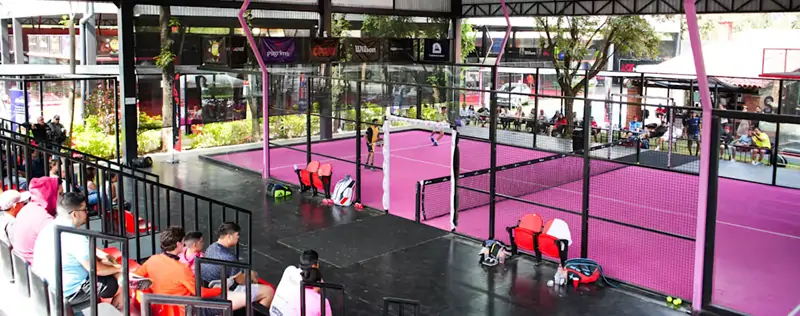
A standard padel court naturally creates social energy: four players, fast rallies, intense competition, and highly visible action. However, without an elevated viewing area, much of that energy remains on the court.
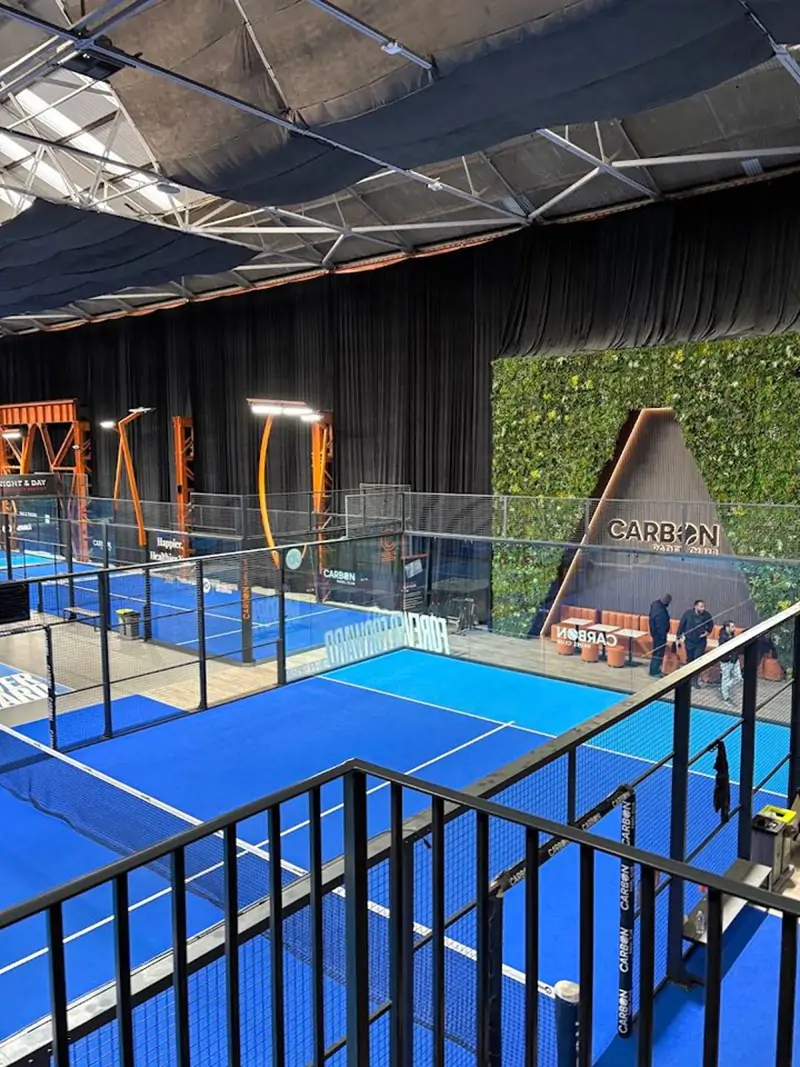
A well-designed mezzanine changes the entire club experience. Members, guests, families, and spectators can watch matches from above while enjoying coffee, drinks, coaching sessions, or community events. Many premium clubs now use viewing platforms and elevated lounges to improve sightlines around panoramic courts and create a more upscale club atmosphere.
In short: the court brings people in; the mezzanine keeps them there.
From Court Rental to Club Revenue
Most padel clubs start with court rental as their primary income source. However, long-term profitability depends on revenue generated beyond the court hour.
Common additional revenue streams include:
- Memberships and subscription plans
- Private coaching, group classes, and junior programs
- Tournaments, leagues, and corporate events
- Food, beverage, coffee, and bar services
- Equipment retail, racket rental, and merchandise
- Brand sponsorship and on-site advertising
- Private parties, venue hire, and event packages
Industry estimates suggest that ancillary revenue—including coaching, memberships, retail, food and beverage, and events—can account for roughly 20% to 40% of a club’s total revenue.
The mezzanine is important because it upgrades the club from “a place to play” into “a destination to stay, spend, socialize, and share.”
What to Include on a Padel Club Mezzanine
The ideal mezzanine layout depends on the club’s positioning, but high-performing clubs often combine several of the following zones:
| Zone | Commercial Value | Best Use Cases |
|---|---|---|
| Elevated viewing lounge | Longer dwell time, beverage sales, event hosting | League nights, tournaments, member socials |
| Café or bar | High-margin food and beverage revenue | Pre-match warm-ups, post-match gatherings |
| Co-working or lounge area | Better daytime utilization and membership revenue | Remote workers, business members |
| Pro shop | Racket, ball, apparel, and accessory sales | Players, visitors, and competing teams |
| Recovery and fitness zone | Premium services and membership upgrades | Stretching, physiotherapy, recovery, fitness |
| Event and private-hire space | Corporate events, brand activations, private parties | Team building, sponsors, private groups |
| Broadcast and content zone | Short videos, livestreams, event promotion, brand exposure | Club marketing, tournaments, social media |
For a hotel padel court or resort project, the mezzanine becomes even more valuable. It can connect the court to a pool bar, restaurant, spa, or event terrace—making padel part of the guest experience rather than a standalone sports facility.
Key Considerations Before Building
A mezzanine is a commercial asset, but it must be engineered properly. Whether the project is a private padel court, club, hotel, or sports center, investors should assess:
- Structural load capacity, column positions, and foundation conditions
- Ceiling height, sightlines, and viewing angles toward the courts
- Fire safety, evacuation routes, and local building regulations
- Acoustic treatment, especially for indoor clubs
- Glass balustrades, lighting design, and camera positions
- Accessibility and vertical circulation
- HVAC, ventilation, drainage, and mechanical integration
A complete padel court kit usually includes the main structure—such as steel framing, tempered glass, mesh fencing, artificial turf, and accessories. However, a commercial project also requires foundations, site works, lighting, freight, installation, permits, and compliance costs. Budgets vary significantly by market and specification; published planning ranges often place a basic court kit around US$25,000–45,000, while a completed outdoor commercial court project can reach US$60,000–120,000 or more.
For investors, a padel court turnkey approach is often more reliable: the court, lighting, layout, installation scope, and mezzanine interface should be planned as one coordinated project.
The Mezzanine as a Brand Asset
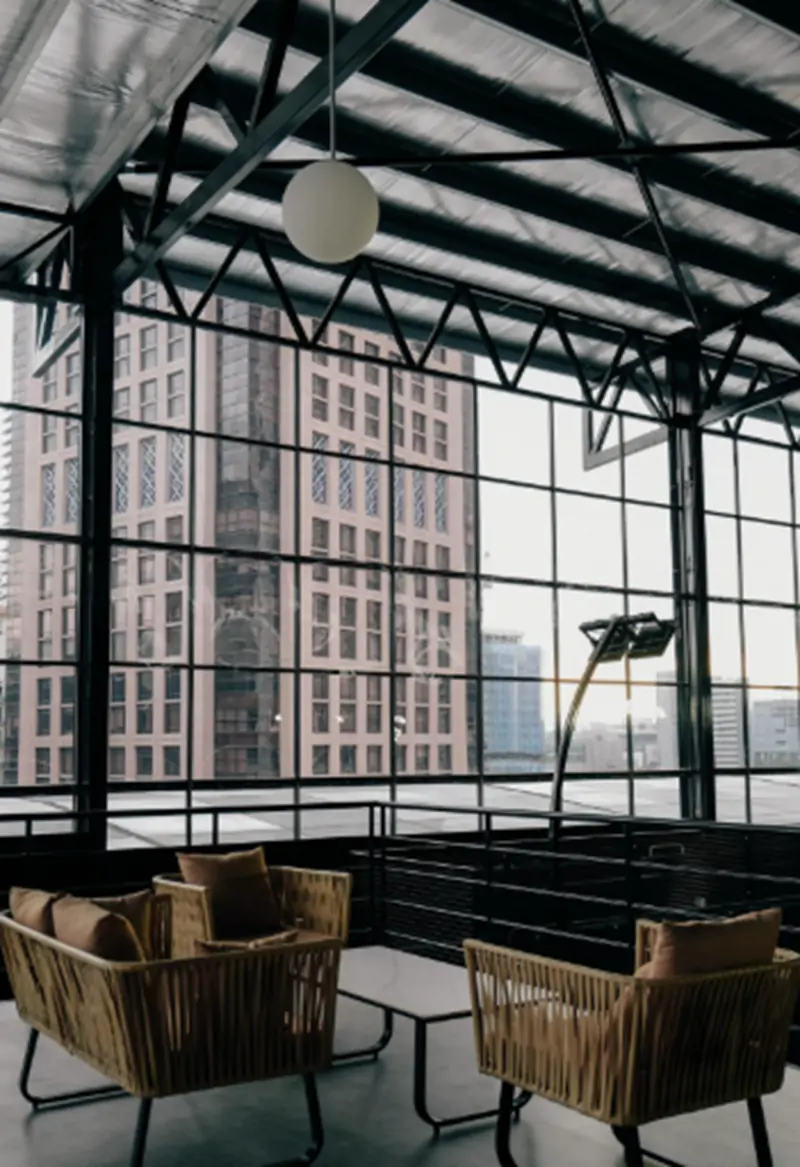
A mezzanine also gives a padel club a strong visual identity. It naturally creates powerful photo and video content: players competing below, spectators above, glass balustrades, branded signage, warm lighting, and a full view of the court.
This is especially valuable for:
- Club openings and brand launches
- Tournament promotion and livestreaming
- Social media content production
- Sponsor visibility
- Membership sales
- Hotel and resort marketing
A club with a strong mezzanine does not simply sell padel. It sells an experience—and that experience is easier to market, easier to remember, and easier to monetize.
For developers, hotel groups, private investors, and club operators, the key is to plan the court, mezzanine, and operating model as one integrated project—creating not only a padel tennis court, but a profitable and sustainable padel destination.
Back to News Start Your ProjectRecommended Products